
|
|
|
|||||||||
 |
||||||||||
| Gustave Courbet (1819–1877) | ||||||||||
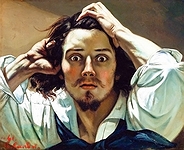
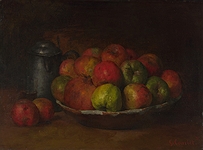
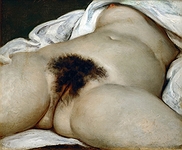
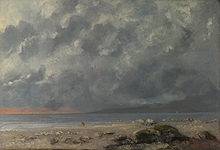
| A French painter, Courbet was born in Ornans (Doubs). He moved to Paris in 1839 and trained in the studios of Steuben and Hesse, but he soon began developing his own style by studying Spanish, Flemish, and French painters. Two of his early works were rejected by the Salon jury, yet younger critics—the neo-romantics and realists—praised him enthusiastically. By 1849, he had established a reputation through a series of paintings, and the Salon of 1850 confirmed his rising prominence with several acclaimed works. While his realism carries significant weight, it is Courbet's landscapes and seascapes that history has come to value most highly. Some of his realistic works can feel rough and forceful, but when he paints the forests of Franche-Comté or pieces like The Stag Fight, his talent is undeniable. Courbet was also politically engaged, supporting the Paris Commune in 1871, which led to his imprisonment and eventual exile. He played an important role in organising independent exhibitions, challenging the official Salon system. He died in La Tour-de-Peilz, Switzerland. | ||||||||||
| |
||||||||||
 |
||||||||||
|
|
||||||||||
| |
||||||||||
  |
||||||||||


 Art
Art