|
|
|
|||||||||
 |
||||||||||
| Alberto Maso Gilli (1840–1891) | ||||||||||
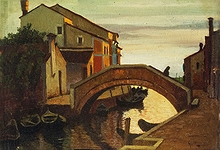
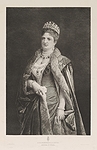
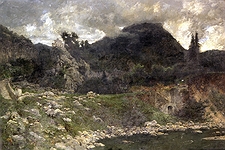
| Gilli was born in Chieri, near Turin, and was known for his work as a history and portrait painter, printmaker, and sculptor. He began his studies at the Accademia Albertina in Turin, where he learned from Andrea Gastaldi, Carlos Arienti, Enrico Gamba, and Giovanni Marghinotti. Between 1865 and 1873, he served as an assistant to Gastaldi. Early on, Gilli gained recognition for his drawings, and his work on Regnault’s Una decapitazione e Tangeri marked the start of his career as an engraver and etcher. He later became superintendent of the municipal school of drawing in Turin. After his painting Arnaldo da Brescia was well received at the Promotrice delle Belle Arti di Torino in 1872, he was appointed as a professor at the Accademia Albertina. From 1884 until his death, Gilli was the director of La Regia Calcografia in Rome. The British art critic Philip Gilbert Hamerton had this to say about Gilli: 'Alberto Maso Gilli is an extraordinarily skilled realist, capturing the comedy of bourgeois life with undeniable power, both in expression and execution. Yet, despite the startling realism of his work, the talent on display has a certain vulgarity. The brilliance of his trompe l'oeil is, in itself, somewhat vulgar. He uses every possible technique to create deceptive relief, placing figures in harsh lamplight against dark backgrounds so that they stand out like models, and shading them so completely that nothing is left to the imagination. That said, there’s no question about the technical ability with which this is done; in fact, his technical skill is so striking that even more refined artists might envy it'. Gilli died in Calvi dell'Umbria, Terni. | ||||||||||
| |
||||||||||
|
|
||||||||||
| |
||||||||||
  |
||||||||||


 Art
Art