
|
|
|
|||||||||
 |
||||||||||
| (4140) | ||||||||||
| Sir
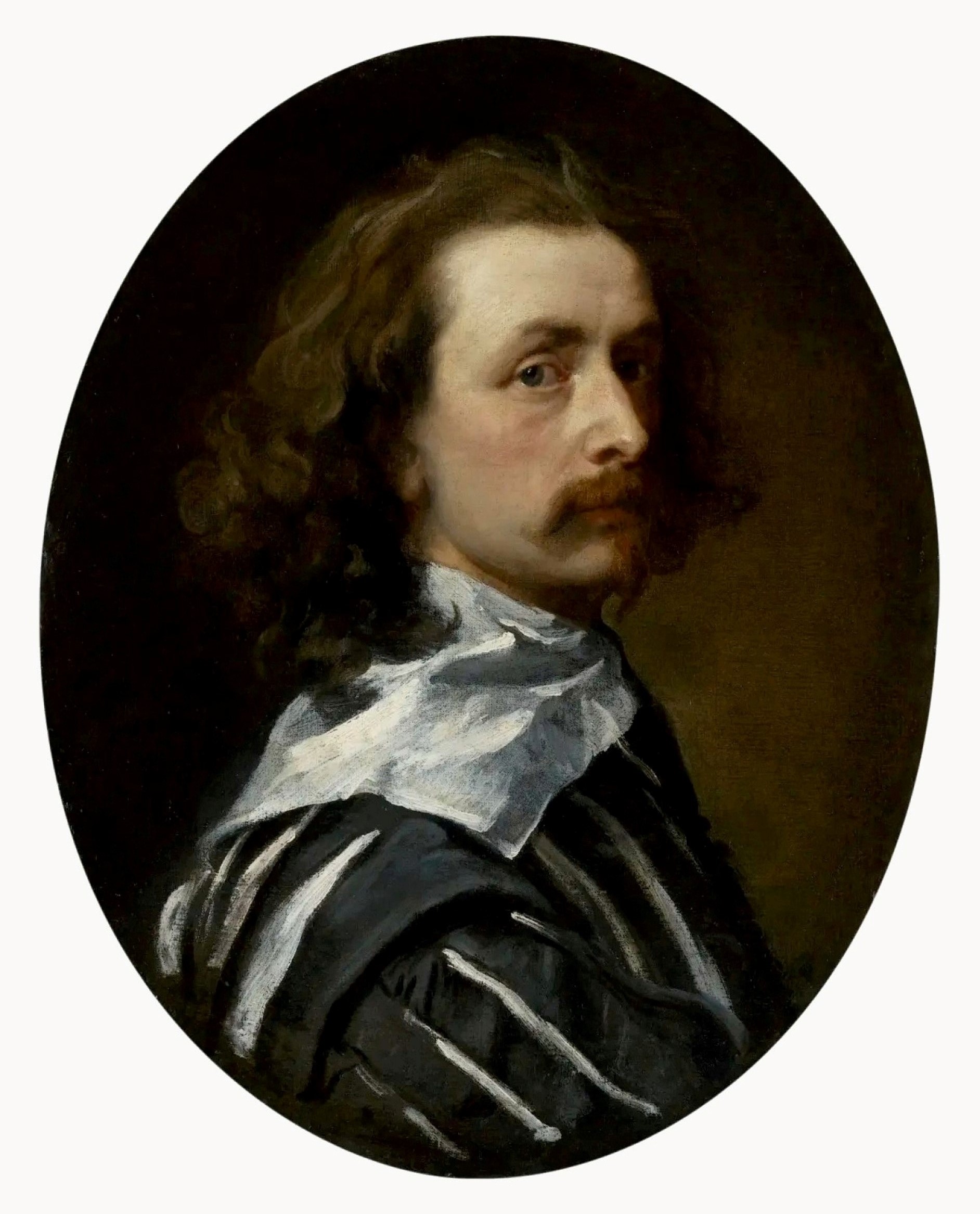
Anthony Van Dyck (1599–1641) Other names: Antoon Biographical A painter, and etcher, Van Dyck was apprenticed by his father to Hendrick Van Balen at the age of ten, and at sixteen he became a pupil and assistant in Rubens’s studio. There he was employed to prepare black-and-white drawings from Rubens’s paintings for the engravers working under his supervision and to create cartoons from his sketches. Van Dyck’s talent developed with remarkable speed, and in 1618 he was admitted as a master of the Guild of St Luke. Van Dyck, highly esteemed by Rubens, enjoyed early support that shaped the course of his career. In 1620 Rubens secured for him a commission from the Jesuits to paint an altarpiece, and in 1621 he introduced Van Dyck to the Countess of Arundel, which led to access to James I, whose portrait Van Dyck painted at Windsor. Later that year Rubens provided him with a companion and a horse for his journey to Italy. Van Dyck arrived in Rome in February 1622, and after visits to Florence, Bologna, Venice, and Mantua, he settled there in 1623, gaining recognition with the portrait of Cardinal Bentivoglio. The work’s success, coupled with Van Dyck’s taste for display, aroused jealousy among fellow artists, prompting his departure to Genoa in 1624. He remained there until returning home the following year, where he encountered critics in Antwerp until Rubens’s purchase of several works restored his reputation. Around this time he painted the Crucifixion in Termonde, St Sebastian in Munich, and the portrait of Archduchess Clare Eugenie in Turin. An initial visit to England in 1627 proved unsuccessful due to lack of favour with the Duke of Buckingham, so Van Dyck spent three years at Antwerp and Brussels producing religious and historical works, as well as ten etched portraits of fellow artists that remain highly regarded. The presentation of his Rinaldo and Armida to Charles I led to an invitation to England in 1630. He arrived in April 1632, and after being presented to the King by Sir Kenelm Digby, painted portraits of Charles, the Queen, and the Royal Family. He was knighted in July, appointed court painter, and received an annual pension of £200 in October 1633. Over the next nine years he painted nineteen portraits of the King, seventeen of the Queen, and many of their children, at fixed rates, yet extravagant living and delays in payment left him increasingly pressed for funds. In 1638 he submitted claims for his pension and unpaid works, including four cartoons for Whitehall tapestries valued at £80,000, only partly settled. In 1641 he travelled to France hoping to paint the Louvre galleries, but the commission went to Poussin under the influence of Cardinal Richelieu. Disappointed and in failing health, he returned to England via Antwerp, made his will in December, and died shortly thereafter. Van Dyck is celebrated for his noble use of colour, elegance, and ease of execution. In portraiture he stands above all European painters, though his historical and religious works tend to be more visually striking than profound. Place of birth: Den Berendans, the Grote Markt, Antwerp Place of baptism: Onze-Lieve-Vrouweker, the Grote Markt, Antwerp Place of death: Blackfriars, London Place of burial: St Paul's Cathedral (tomb destroyed in the Great Fire, 1666) Son of Frans van Dyck and Maria Cuypers, he married Mary Ruthven in 1640, and had issue. |
||||||||||
| |
||||||||||
 |
||||||||||
| |
||||||||||
 |
||||||||||


