Long
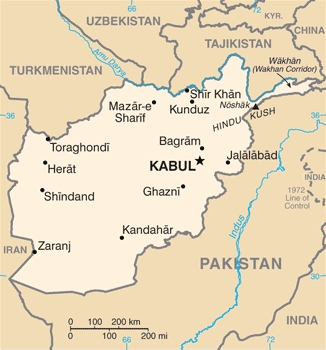
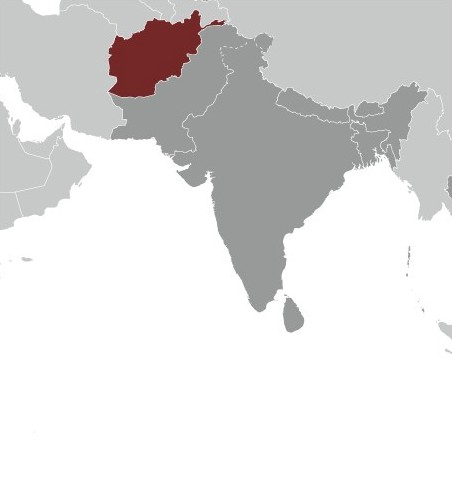
defined by its strategic position at the crossroads of Central
and South Asia, Afghanistan has been exposed to successive
waves of conquest, trade, and cultural exchange. Ancient civilisations
such as Bactria flourished in the region, and it later formed
part of empires such as the Achaemenid, Mauryan, and Kushan.
Islam was introduced in the 7th century and became the dominant
religious and social framework, shaping institutions and daily
life. During the medieval period, Afghanistan experienced
Mongol invasions and Timurid rule, while its location along
the Silk Road supported intellectual and artistic exchange.
In the modern period, Afghanistan functioned as a buffer state
during the rivalry between Britain and Russia, followed by
attempts at modernisation in the 20th century. The late 20th
and early 21st centuries were marked by the Soviet invasion,
civil war, Taliban rule, and international intervention after
2001. Afghanistan is ethnically diverse, with Pashtuns, Tajiks,
Hazaras, Uzbeks, and others contributing to a complex and
varied society, while decades of conflict continue to challenge
political stability and economic development. |