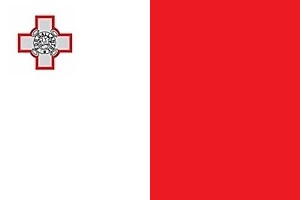
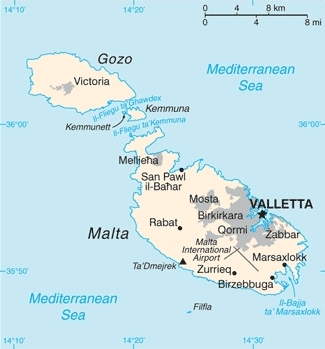
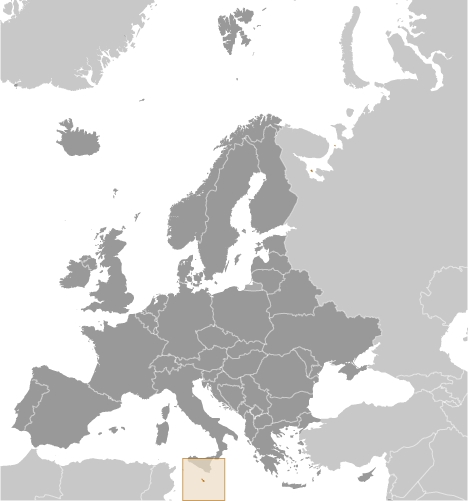
The
islands of Malta have been inhabited since prehistoric times
and later came under the control of powers such as the Roman
Empire and the Byzantine Empire, influences still seen in
its traditions, while the people are predominantly ethnic
Maltese with roots in Phoenician, Arab, and southern European
settlers. In the mediaeval period Malta was ruled by Arab
and Norman authorities, shaping a distinct Maltese identity
with a strong Mediterranean character. From 1530 the islands
were governed by the Knights of St John, whose presence strengthened
Catholic life, architecture, and social institutions, and
who resisted the Great Siege of Malta. Malta later became
part of the United Kingdom and played an important role during
the Second World War, during which its people endured sustained
hardship with resilience. It gained independence in 1964 and
is now a republic within the European Union, with a culture
shaped by centuries of foreign rule yet strongly its own. |