
|
|
|
|||||||||
 |
||||||||||
| ◄◄◄ | ||||||||||
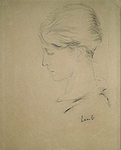
| Lydia
Lopokova
(1892–1981) Other names: Lidiya Vasilyevna Lopukhova Biographical Lopokova entered the Imperial Ballet School at St Petersburg in 1901, graduating into the Imperial Ballet at the Mariinsky Theatre in St Petersburg in 1909. In 1910, she joined the dance company formed by Serge Diaghilev, and she quickly established her career as a successful dancer in Russia. She went to America on an eight-month contract with her siblings, who were also dancers, and afterwards remained there, continuing to dance in other ballet groups. She also began to take on work as an actress. Diaghilev began to send his dancers to America in 1916, and Lopokova rejoined his company as his leading dancer. She married Randolfo Barocchi, Diaghilev's business manager, in 1916. From then on, she performed in Europe, North America, and South America, achieving great fame and success, thanks to roles created for her by Léonide Massine, such as those in The Good-Humoured Ladies (1917–18) and La boutique fantasque in (1919). In 1919 she left her husband suddenly and abandoned ballet, but returned to Diaghilev's company in Paris in 1921 as one of the stars of the London production of Sleeping Beauty. The economist John Maynard Keynes had become a great admirer of hers and soon introduced her to the Bloomsbury Group, of which he was a member. Her relationship with members of the group proved to be difficult. She received her divorce from Barocchi in 1925 and married Keynes that year, despite the disapproval of his friends. A devoted wife, Lopokova accompanied her husband during his trips abroad. They lived together mostly at Tilton in Sussex, and she cared for him during his period of poor health, up until his death. Place of birth: St Petersburg, Russia Place of second marriage: St Pancras, London Place of death: Seaford, near Tilton, Sussex Daughter of Vassili Lopukhov and Rosalia Constanza Karlovna Douglas, she was married firstly to Randolfo Barocchi in 1916 (divorced 1925), and secondly to John Maynard Keynes in 1925. She had no ssue. |
||||||||||
| |
||||||||||
 |
||||||||||
| |
||||||||||
 |
||||||||||


