Palestine
The State of Palestine is a sovereign entity recognised by a
majority of the United Nations member states, though not
universally acknowledged. It comprises two non-contiguous
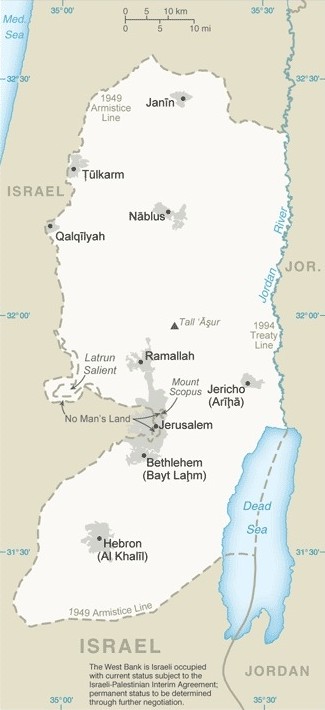
territories: the West Bank, which is predominantly inhabited
by Palestinians and administered by the Palestinian
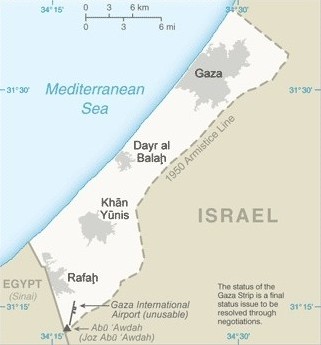
Authority, and the Gaza Strip, governed by the militant
group Hamas. Palestine seeks full statehood with East
Jerusalem as its capital, a status that has been at the
heart of the Israeli-Palestinian conflict for decades.
Despite intermittent peace efforts and negotiations, issues
such as borders, settlements, security, and the right of
return for Palestinian refugees remain unresolved,
perpetuating tensions and hindering the prospects for
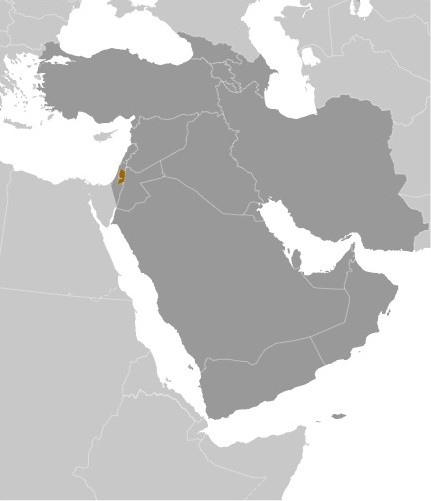
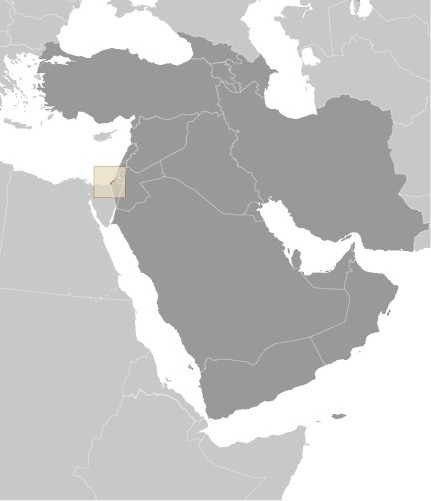
lasting peace in the region. Geographically, the State of
Palestine is situated in the Eastern Mediterranean region of
the Middle East. The West Bank is located to the east of
Israel, bordered by the Jordan River to the east, while the
Gaza Strip lies along the Mediterranean coastline, sharing
borders with Israel and Egypt. The topography of the West
Bank varies from mountainous terrain in the north to fertile
valleys and desert in the south. In contrast, the Gaza Strip
is largely flat and densely populated, with limited natural
resources. The climate across both territories is
predominantly Mediterranean, characterised by hot, dry
summers and mild, wet winters. Despite challenges posed by
political conflict and resource scarcity, agriculture,
particularly in the West Bank, plays a significant role in
the economy. |