The
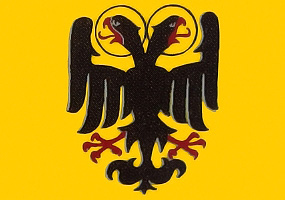
Holy Roman Empire, formally established in 962 with the coronation
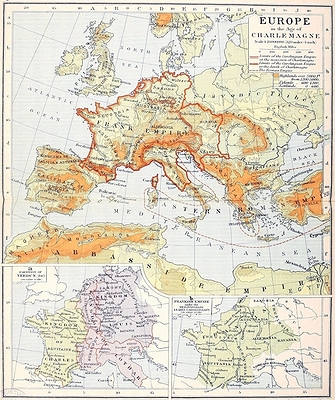
of Otto I, emerged as a continuation of the Carolingian and
earlier Roman traditions, though its character was markedly
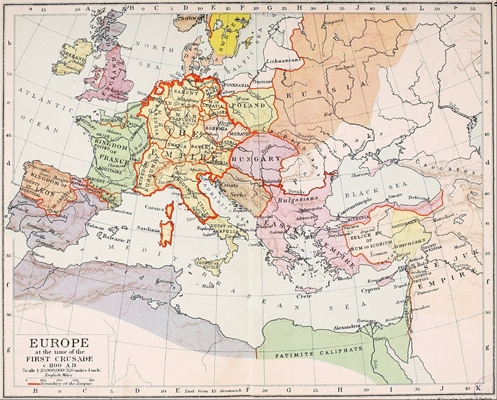
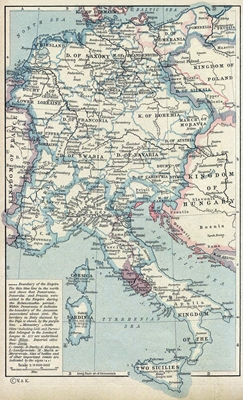
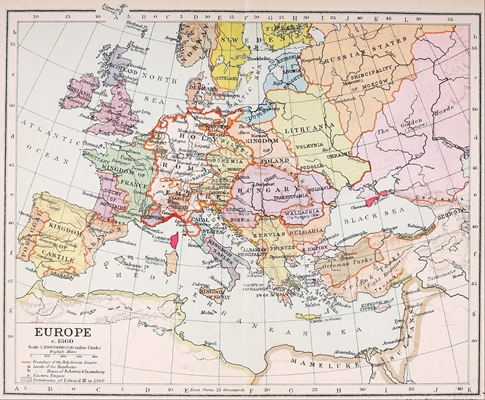
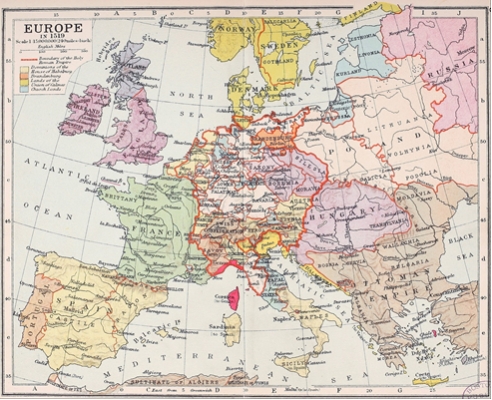
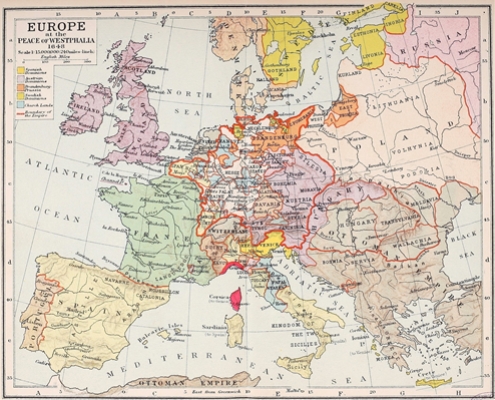
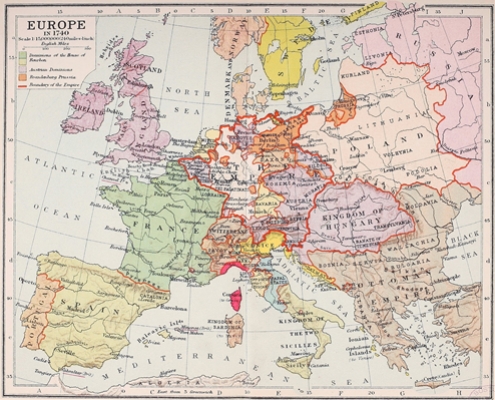
decentralised. Stretching across much of Central Europe, it
encompassed a patchwork of duchies, principalities, bishoprics,
and free cities, each enjoying considerable autonomy. The
emperor, though nominally supreme, often held limited direct
authority outside his hereditary lands and relied on negotiation
and consensus among the imperial estates. The Imperial Diet
(Reichstag) served as a forum for collective decision-making,
though it lacked legislative uniformity. Governance within
the Empire rested on a delicate balance between imperial authority
and the sovereignty of member states, many of which pursued
their own diplomatic and military agendas. This structural
complexity, combined with religious and dynastic tensions,
contributed to the Empire's gradual fragmentation, culminating
in its dissolution in 1806 following pressure from Napoleonic
France. |